
The Psychology of the Spin: Why Slots Are So Addictive
You know the feeling. Your thumb hovers over the spin button, that familiar mix of hope, math, and impulse...

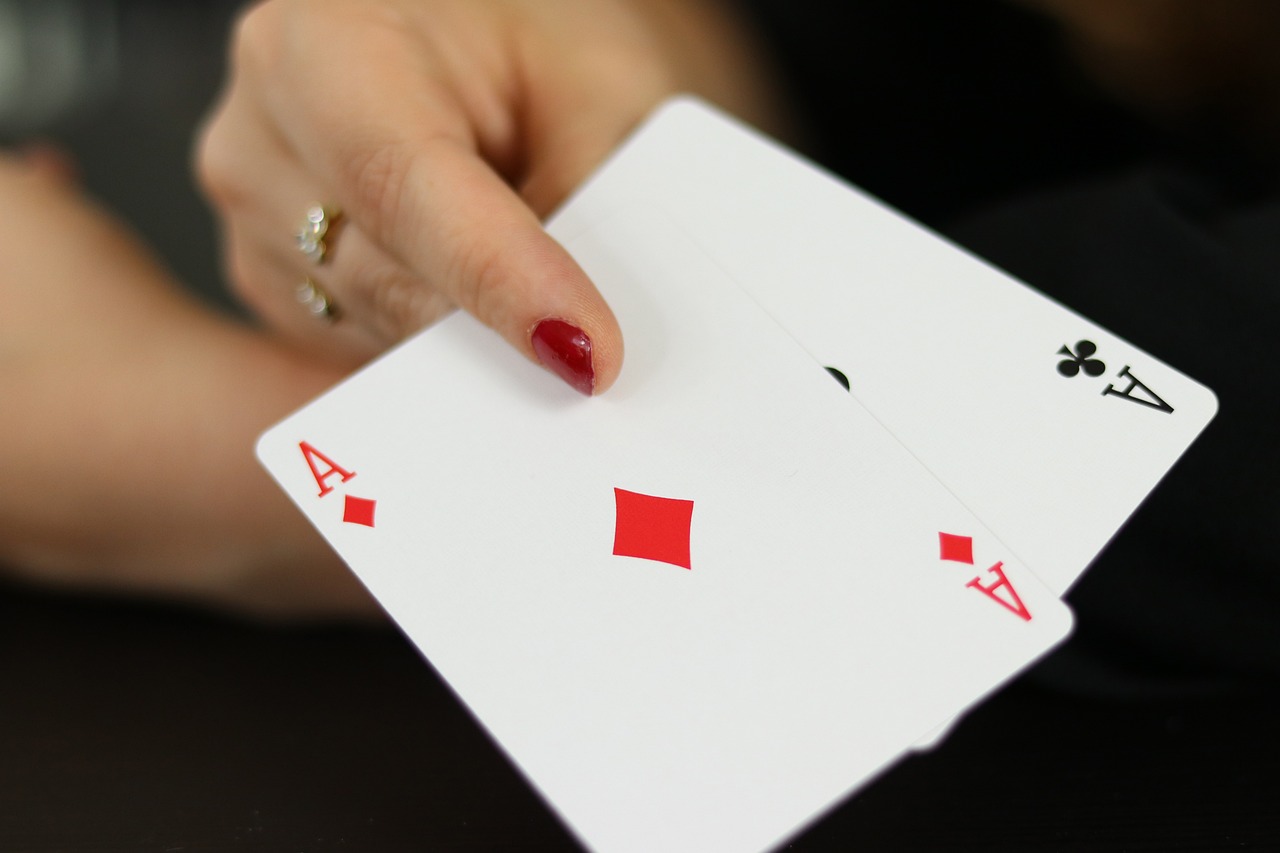
Every slot player has heard the phrase "this machine is due" or "loose slots are by the door." It is folklore, and it survives because casinos are loud, bright, and designed to keep you guessing. But the actual mechanics behind a slot machine are not mysterious at all. They are published, regulated, and standardized across jurisdictions. Understanding what RTP, volatility, and hit frequency really mean will not help you beat the house edge—but it will help you pick games that match your bankroll, your patience, and your tolerance for dry spells.
Return to Player, usually expressed as a percentage, is the theoretical amount of all money wagered on a game that gets paid back to players over millions of spins. A 96% RTP slot keeps about 4 cents of every dollar wagered as house edge, and returns 96 cents in the form of payouts. That number is calculated over an infinite sample size. It says nothing about what happens in your next 200 spins.
This is where players get tripped up. A 96% game can absolutely eat a $200 bankroll in twenty minutes if the volatility is high and the variance swings against you. Slots are independent-event games. Each spin uses a random number generator, and the outcome of the last spin has zero influence on the next. The machine is never "due." It never runs hot. It simply produces outcomes according to a probability table that never changes.
Where RTP becomes genuinely useful is in game selection. If you plan to play for several hours, a 1% difference in RTP matters. Over 1,000 spins at $1 per spin, a 96% slot has an expected loss of $40. A 94% slot has an expected loss of $60. That is a 50% increase in theoretical cost for the same entertainment time. Multiply that across a year of casual play and it becomes lunch money versus dinner money.
If RTP is the long-run average, volatility is the texture of the ride. Two slots with identical 96% RTPs can feel completely different. A low-volatility game pays frequently but in small amounts—think 2x to 10x your stake, with a top prize of maybe 500x. A high-volatility game might go 150 spins without a meaningful hit, then deliver a 200x bonus round. Both have the same theoretical return over time, but your experience in a single session will look nothing alike.
Here is a practical way to think about it:
A useful rule of thumb: if you are playing a high-volatility slot, your bankroll should cover at least 200 to 300 spins at your chosen stake. For a $1 spin, that means $200 to $300. Play lower stakes if you cannot stomach that.
Hit frequency is the percentage of spins that return anything at all, even a fraction of your stake. A game with 25% hit frequency wins one in four spins. That sounds generous until you realize many of those wins are less than your bet. Combine hit frequency with average win size and you start to understand the rhythm of a game. Plenty of people rely on kqbd for this kind of information.
Modern slots have added a layer on top of this: the bonus buy. Instead of grinding hundreds of spins to trigger free spins or a hold-and-win feature, you can pay a fixed price—often 50x to 200x your base stake—to enter it immediately. This is not a shortcut to profit. The buy price is set so that the feature's expected value is slightly below the game's overall RTP. But it does give you a way to skip grind time and go straight to the high-variance portion of the game. If you enjoy the bonus rounds and find the base game tedious, it can be a reasonable trade. Just understand that you are paying a premium for the experience.
Slots are pure chance, and no amount of study changes the math. Poker is the opposite. In Texas Hold'em, the house takes a rake—typically 5% of the pot up to a cap—and the rest is player versus player. A skilled player can achieve a positive expected value over time because they are not playing against the house edge; they are playing against opponents who make mistakes.
The same logic applies to blackjack. Perfect basic strategy reduces the house edge to roughly 0.5%, and certain rule sets push it below 0.3%. Card counting can flip the edge in the player's favor, which is exactly why casinos shuffle frequently, use multiple decks, and ban suspected counters. The contrast is stark: in slots, the house edge is fixed and immovable. In skill games, it is a function of your decisions.
The iGaming industry does not hide any of this. RTPs are audited by third parties like eCOGRA and published in game documentation. Volatility ratings are listed on provider sites. The information is there for anyone who bothers to look. The players who enjoy themselves most are not the ones chasing jackpots with rent money. They are the ones who understand what they are buying—a few hours of entertainment with a known, fixed cost—and choose games accordingly. That is not a pessimistic view. It is the only view that makes the pastime sustainable, and it happens to be true.
You know the feeling. Your thumb hovers over the spin button, that familiar mix of hope, math, and impulse...